The short answer
If you are reading this in the week before your first cruise with a knot in your stomach, you are in the biggest and quietest group on the ship. Most first-timers who dread seasickness are fine, and the ones who feel it usually adapt within a day or two. The dread itself is the part you can act on now: pick the cabin and the month well, eat and sleep properly, and run a sound session 10 to 30 minutes before the ship leaves the shelter of the harbour. This is the plan I would use with the days you have left.
I have read a lot of 'first cruise in five days, I'm freaking out' threads. The replies are kind and mostly the same: midship cabin, bring Dramamine, you will be fine. That is decent advice with the most useful part missing, which is what to do about the fear itself.
Key facts
- In a four-year survey of 239 passengers on Southern Ocean voyages, expecting to be ill was one of five factors linked to getting seasick.
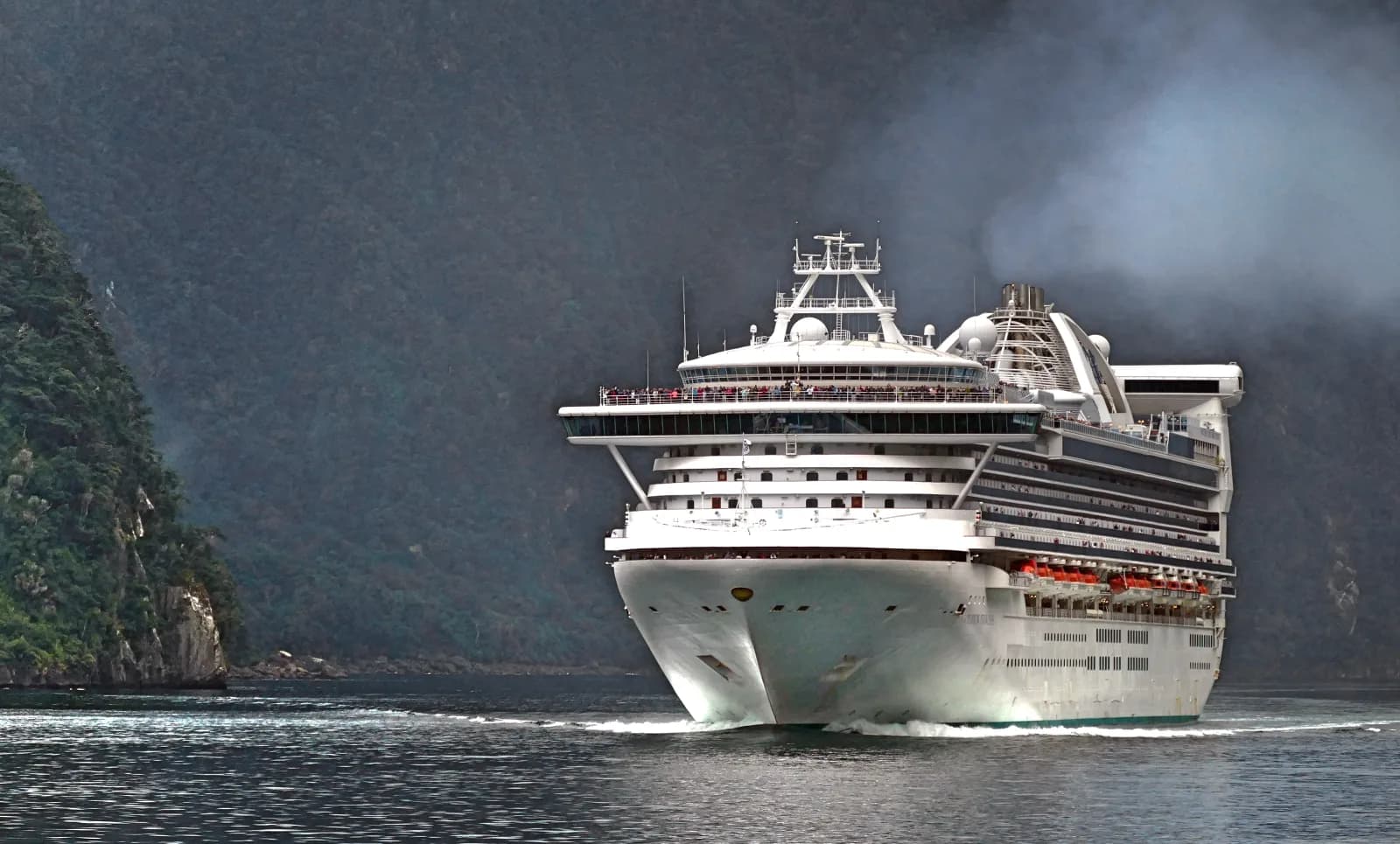
- Large modern cruise ships are stabilised. Most first-timers feel at most a slow sway.
- Seasickness usually eases within a day or two at sea as the brain learns the motion.
- A cabin midship on a lower deck moves least, and it is the one decision you cannot change once aboard.
- Dizzout's Prepare Me mode is the same sound session in a quicker form, for the 10 to 30 minutes before a trip you expect to be rough.
Seasick in your cabin or out on deck? Drug-free sound therapy: Prepare Me before the ship leaves the harbour, Motion Sickness Relief if the swell gets to you.Starts in your browser · works with any headphones
Stop seasickness on your cruise. Get your personalized Dizzout plan. Paid subscription for full access.

On your phone? Scan to start there.
Why the fear itself matters
I used to think dread was just unpleasant. It turns out to be a predictor. Researchers surveyed 239 passengers crossing the Southern Ocean to Antarctic stations, some of the roughest water on earth, over four years. Despite low intrinsic susceptibility on the standard questionnaire, 94 reported at least one symptom and 38 vomited. Five factors were linked to getting sick, and two of them were in the head: expecting to be ill, and anxiety mid-trip.
That is not a reason to feel worse about feeling worried. It is a reason to treat the worry as something to plan for, like the cabin.
What the odds actually are
Cruise ships are enormous and stabilised, and the itineraries that sell to first-timers run through the calmer seas in the calmer months. Most passengers feel at most a slow sway for the first evening. Our honest first-timer answer goes through the numbers. The risk goes up on small ships, in rough seas, in a cabin high up or at either end of the ship, and when you are tired, hungover or hungry. Every one of those is a choice you can still make.
The plan, with the days you have left
- Now. Look up your ship on the ship-by-ship guides and your waters on the sea pages for your month. If your cabin is high or at the bow and you can still change it, move midship and low with the cabin picker.
- This week. If you are considering medication, ask a pharmacist now rather than at the port; patches need lead time. Pack headphones. Save the trip in your trip plan so the dates fill in.
- The night before. Sleep. Modest dinner. No drinks.
- Two hours before boarding. Something light and plain. Water.
- 10 to 30 minutes before the ship leaves the harbour. Headphones on, run Prepare Me if you use Dizzout, then three to five minutes of slow breathing with a longer exhale than inhale.
- The first hours. Stay on deck or by a big window with the horizon in view. Cool air on your face. Skip the sailaway cocktail until you know how you are doing.
- If it starts anyway. Midships, low, horizon, slow exhale, and press play on Motion Sickness Relief. Dizzout states relief in about 90 seconds. Two or three sessions may be needed on a rough day.
Afterwards
Two things to know in advance so they do not frighten you. A day or two of swaying on dry land after the cruise is land sickness, normal, and it passes. And the second cruise is easier than the first, because your body now has a model of the motion. The first-time page explains why. Say out loud, when you get home, that it went better than you feared. That is the memory your body carries to the next one.
Sail with a plan, not a worry
Stop Motion Sickness Now
Dizzout is drug-free sound therapy through any headphones. Run Prepare Me in the 10 to 30 minutes before you leave the harbour, and Motion Sickness Relief anywhere on board if the swell gets to you, with relief in about 90 seconds. Free to download.
Get your personalized Dizzout plan. Paid subscription for full access.
30,000+ travelers in 30+ countries · How we count

On your phone? Scan to start there.
Comparing apps first? See how the motion sickness apps compare
Not travelling yet? Remind me the day before my trip
Frequently asked questions
Will I get seasick on my first cruise?
Probably not badly, and probably not for long. Large modern ships are stabilised and most first-timers feel at most a slow sway. People who do feel sick usually adapt within a day or two. The risk rises on small ships, in rough seas and in cabins high up or at the ends of the ship.
Does being anxious make seasickness more likely?
Yes. In a survey of 239 Southern Ocean passengers, expecting to be ill and anxiety mid-trip were both linked to getting sick. A plan you trust lowers the alarm before you sail, which is why the plan matters as much as the cabin.
When should I listen to Dizzout before a cruise?
Prepare Me is for the 10 to 30 minutes before the ship leaves the shelter of the harbour, which is when the motion starts. Motion Sickness Relief is for once you feel it, anywhere on board, with relief in about 90 seconds.
Someone you know gets motion sick?
Send them this guide. It might be the trip it saves.
Your next question, probably
What is the full first-cruise plan?
From booking to the first hours at sea
Not your question? Which cabin moves least?How rough is my route this month?What do I do if it starts?
About this article
by the Dizzout editorial team.
- Besnard et al., 2021: Motion sickness lessons from the Southern Ocean, 239 passengers (Aerospace Medicine and Human Performance)
- CDC Yellow Book: Motion sickness
This article is informational and not medical advice. Dizzout is a wellness app for motion sickness and does not treat anxiety. If fear is stopping you from travelling, talk to a doctor or therapist.