The short answer
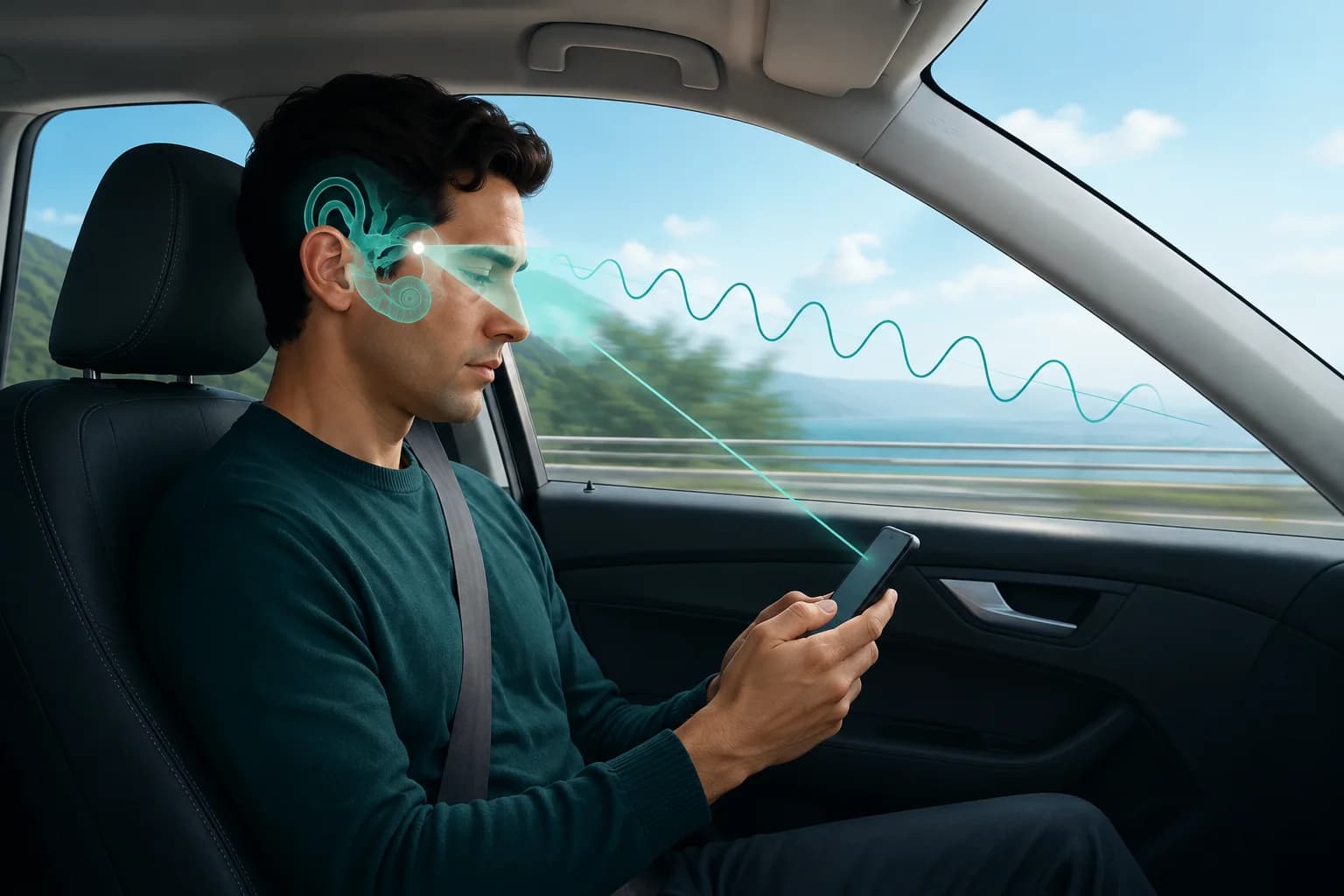
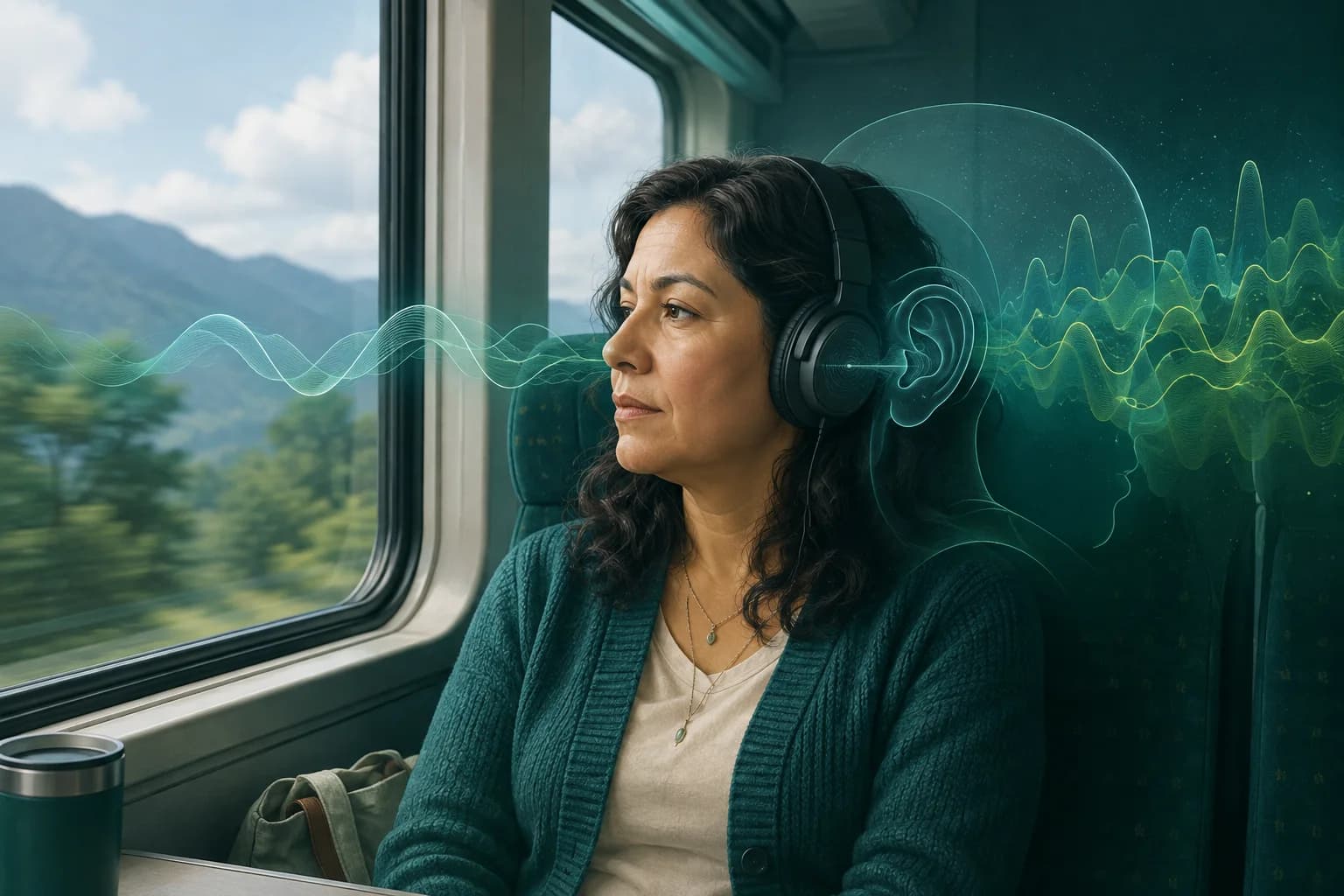
Sound therapy for motion sickness is precisely calibrated audio played through ordinary headphones, wired or Bluetooth, for about 90 seconds. There is nothing to swallow, nothing to time in advance, and no drowsiness afterwards. Unlike an antihistamine, which has to be taken 30 to 60 minutes before symptoms start to do anything, it is aimed at the moment you already feel sick.
For centuries, humans have recognized the calming power of sound. From singing bowls to the noise-cancelling headphones half the plane is wearing, sound is one of the few things you can change about your environment while strapped into a seat.
Sound therapy for motion sickness sits in that tradition and answers a specific problem: almost every other remedy has to be planned. Here is what it is, what it asks of you, and what it does not claim.
Try Dizzout free. Drug-free, works after symptoms start, about 90 seconds on any headphones.Free · works with any headphones · no account to try
Free to try, no card needed. Or go straight to the App Store or Google Play.
What is motion sickness?
Motion sickness happens when your brain receives conflicting signals from your senses. Your inner ear detects movement, in a car, on a ship, in a plane, but your eyes may see something stationary, like the interior of a cabin or a phone screen. Your brain interprets this mismatch as a sign of poisoning and triggers nausea as a protective response.
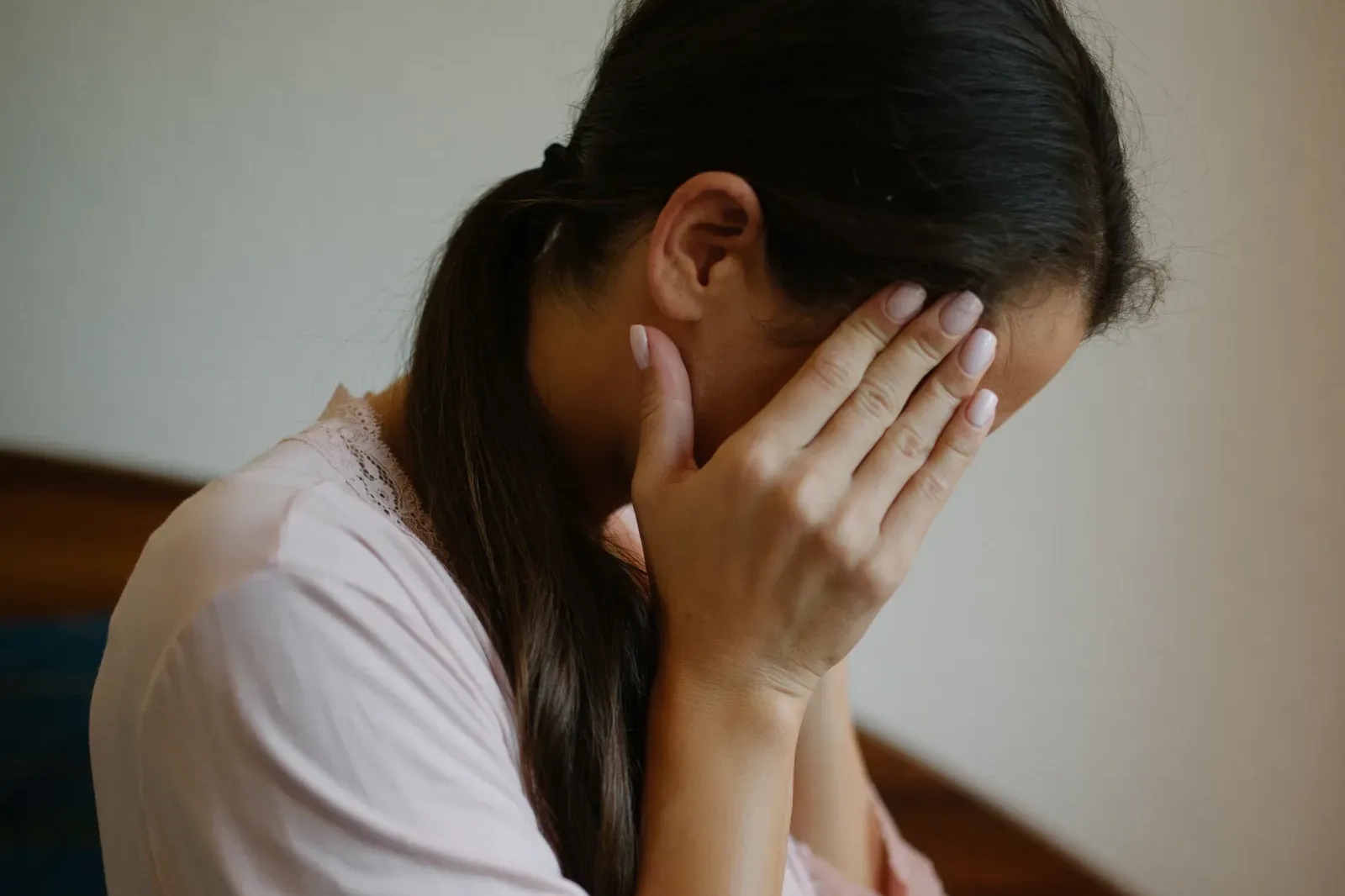
Symptoms include nausea, dizziness, cold sweats, and vomiting. They typically ease once the motion stops. The full account is in our science explainer.
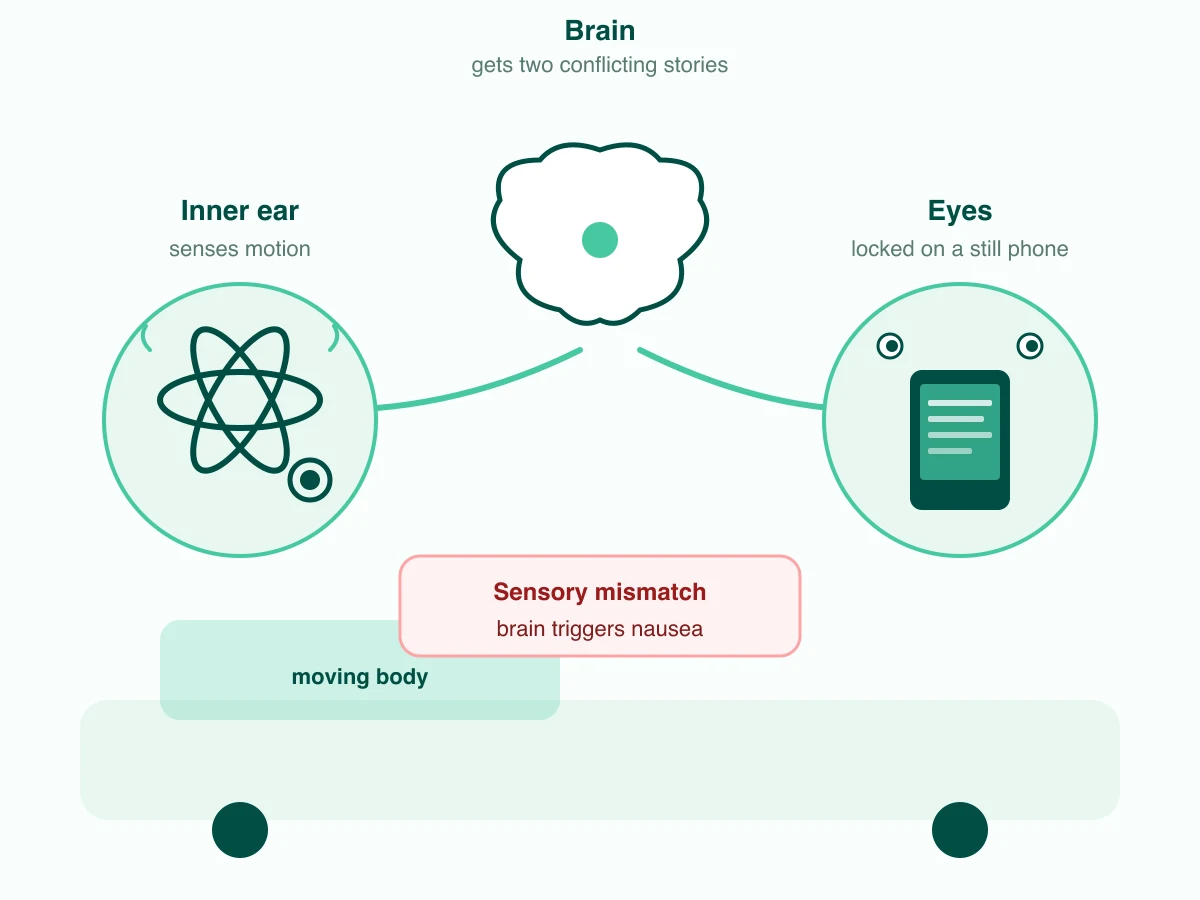
The sensory-conflict account described by Cleveland Clinic and the CDC Yellow Book.
What sound therapy is, and what we do not publish
A session is precisely calibrated audio, played through any headphones. That is the level of detail we publish about it, and it is deliberate: we do not describe the audio in any more specific terms, and we do not attach the app to a named study, institution or country. If you see a motion sickness product quoting exact figures for how its sound works, that is a claim worth asking hard questions about.
What we will say plainly is what the thing is aimed at: the sensory conflict above, rather than the stomach. And what it is not: it is a drug-free wellness option, not a medical device, and not a treatment for vertigo conditions like BPPV. Our review policy sets out the rest of what we refuse to do.
What a session asks of you
Press play
Headphones in, wired or Bluetooth. Nothing else to set up.
Sit with it
Eyes open or closed. You do not have to find a horizon.
It ends
About 90 seconds later the session finishes on its own.
One session runs about 90 seconds. Drug-free, through any headphones.
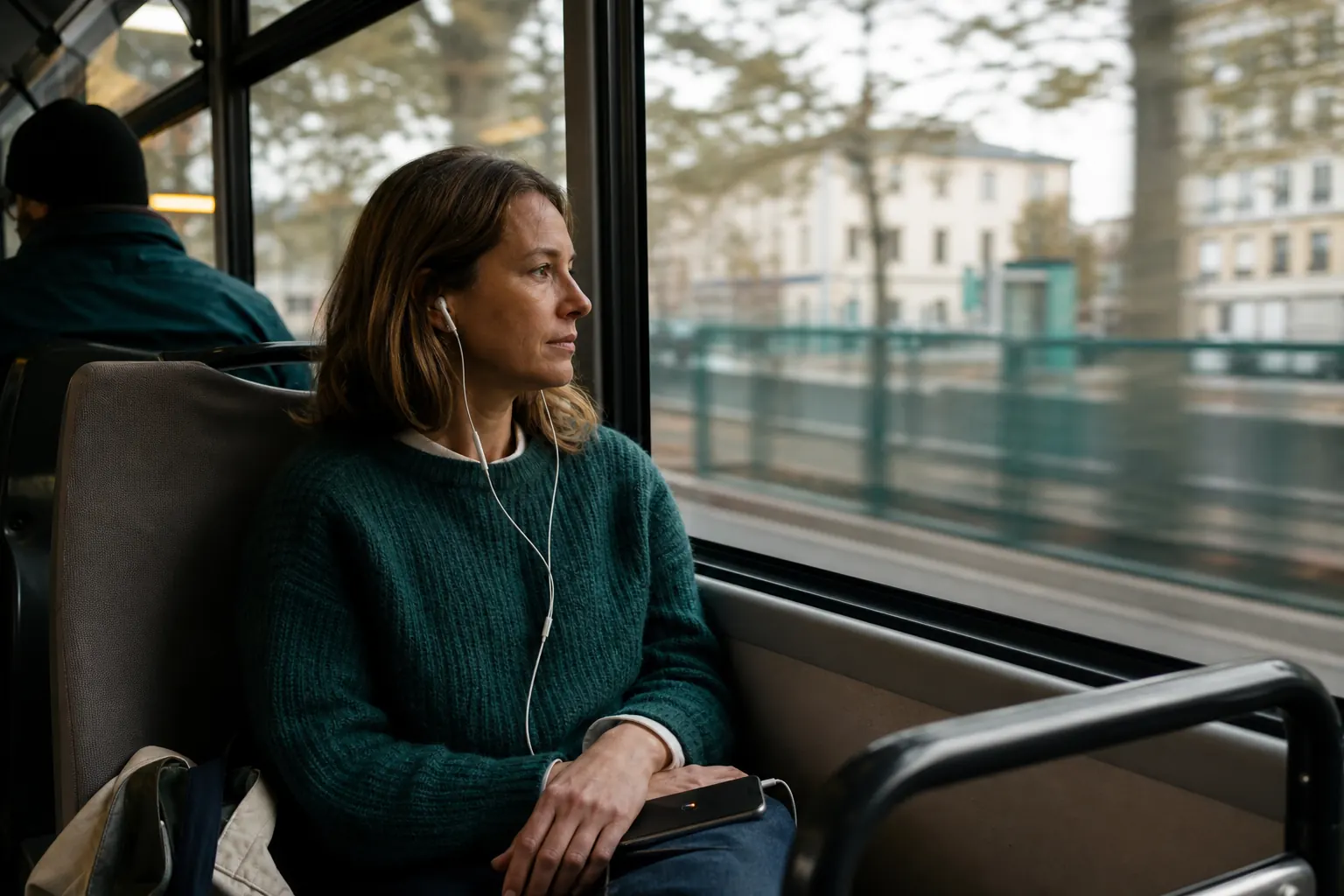
That is the whole interaction. You do not have to be in a particular seat, you do not have to be able to see out, and you do not have to have planned ahead, which is the part that separates it from most of the alternatives.
Curious what a session is like?
Stop the nausea
A session is precisely calibrated audio through any headphones you already own. Drug-free, no drowsiness, relief in about 90 seconds. Free to try.
Free to try, no card needed. Or go straight to the App Store or Google Play.
 Scan to open on your phone
On a computer? Dizzout installs on your phone. Scan the code, or open dizzout.com/get on your phone and it'll take you straight to the right store.
Where it fits on a real trip
- Car journeysFor passengers who cannot see out, or on winding roads
- Air travelTakeoff, landing and turbulence, when the window stops helping
- Sea voyagesBelow deck, at night, when there is no horizon
- Theme parksBetween rides, without leaving the queue
Where it is practical to use, not a claim about how well it works in each case.
Why the traditional remedies fall short for some people
Medications like Dramamine and natural remedies like ginger help plenty of people. They also come with limitations, and the limitations are mostly about timing and about what they cost you for the rest of the day.
| Factor | Antihistamine pills | Sound therapy |
|---|---|---|
| When you have to act | 30 to 60 minutes before symptoms | When you already feel sick |
| Common trade-offs | Drowsiness, dry mouth | Drug-free, no drowsiness |
| Planning needed | Must be taken ahead | Play it when you need it |
| What you need with you | The packet | Any headphones |
What is still ahead
Sound therapy is one strand of a broader shift toward drug-free approaches. Others are still in the lab, including galvanic vestibular stimulation, and some are already in your pocket: Apple's Vehicle Motion Cues and its Android equivalents put moving dots on the screen so your eyes stop insisting the world is still. We cover those in the dots explainer.
What ties them together is the same idea: change the sensory input rather than sedate the person receiving it.
Try it yourself
The best way to understand a 90-second audio session is to run one. Dizzout is free to download, with a paid subscription for full access, and the honest test is the one that matters: does it help you, on the journey that normally ruins your day. If it does not, we would rather you found that out on a short drive than on a crossing.
Frequently asked questions
How long does a sound therapy session take?
About 90 seconds. It ends on its own, and you can run another one if you need to.
Do I need special headphones?
No. Any standard headphones work, wired or Bluetooth, including noise-cancelling ones. There is no extra hardware to buy or carry.
Will it make me drowsy?
No. It is drug-free, so there is nothing to sleep off, which is the main reason people reach for it instead of an antihistamine when they still have to drive, work or arrive somewhere alert.
Does it work once I already feel sick?
That is what it is built for. Antihistamines have to be taken 30 to 60 minutes before symptoms begin to do anything, and the horizon trick needs a horizon. A session needs headphones and about 90 seconds.
Is it a medical device or a treatment?
No. It is a drug-free wellness option. It is not a medical device, it is not a substitute for medical advice, and it is not a treatment for vertigo conditions such as BPPV.
Does sound therapy work for motion sickness?
Sound therapy for motion sickness plays precisely calibrated audio through ordinary headphones for about 90 seconds, and Dizzout states relief in about that time. That timing is a Dizzout product claim rather than an independently validated clinical result, and individual experiences vary. The format itself is not in doubt: drug-free, no drowsiness, any wired or Bluetooth headphones, and nothing to take in advance, so it can be tried after symptoms have started.
Someone you know gets motion sick?
Send them this guide. It might be the trip it saves.
Your next question, probably
What actually has evidence?
Every remedy, ranked
If that is not your question:
About this article
- Cleveland Clinic. Motion sickness: symptoms, causes, treatment.
- CDC Yellow Book 2026, motion sickness chapter.
- NHS UK. Motion sickness overview.
This article is informational and not a substitute for medical advice. Dizzout is a drug-free wellness option, not a medical device. Brand names are trademarks of their respective owners; Dizzout is not affiliated with or endorsed by them.